
Prepare with care
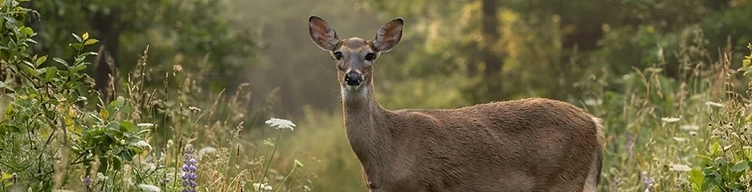
Wildlife safety starts with respect
Practical, species-aware guidance can help you make informed choices outdoors while giving wild animals the space they need.
Check local advisories
Three habits for safer wildlife encounters
Give wildlife room
Follow local distance rules and move farther away if an animal reacts to you.
Keep wildlife wild
Never feed, touch, or disturb wild animals.
Plan before you go
Check local advisories and rules; secure food and trash where required.
Browse safety tips by category
Explore practical guidance for different types of wildlife and outdoor activities.


If you encounter wildlife
Simple steps can help keep you, wildlife, and wild places safe.
Pause and assess
From a safe distance.
Give the animal space
and a clear way to move.
Follow species-specific guidance
from the responsible local agency.


Share what you see. Help others prepare.
Community sightings and encounters help people stay aware and support respectful coexistence.
Community knowledge
A field tip could help someone—and protect wildlife.
Share a practical lesson from your time outdoors. Helpful, respectful tips can help others prepare and support safer coexistence.

with shared knowledge.