
Wildlife category · Birds
Birds of Prey: Eagles, Hawks, Owls and Falcons
Raptors are the easiest wild animals to watch and the easiest to disturb. A bird on a pole or a nest on a cliff can hold your attention for an hour, and one step closer can change everything it does next.
Birds follows the Bird of Prey group: eagles, hawks, falcons, owls, ospreys and vultures. Records describe birds perched over fields and shorelines, hunting flights, and defensive passes made near nests during the breeding season.
Birds of prey gather where prey does, which is often where people are: shorelines, fields, road edges and city parks. The profiles describe identification and hunting behavior, and because active nests are protected, the practical guidance is about distance and timing.
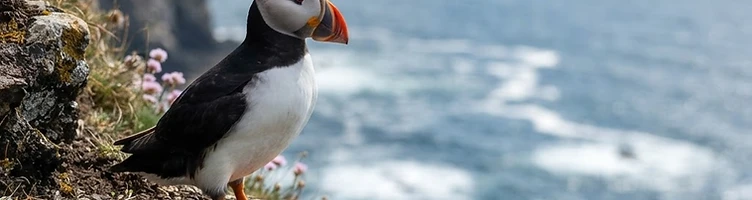
Birds species profiles
All animal profilesIdentification, habitat, behavior and safety notes for the birds animals in the guide.
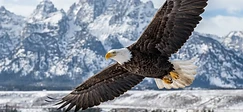
Eagle
Near lakes, rivers, and coasts across North America; nests in tall trees near water.
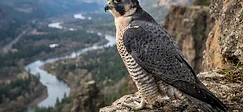
Falcon
Cliffs, tall buildings, and bridges; found on every continent except Antarctica.
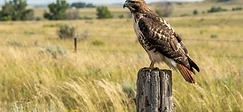
Hawk
Everywhere in North America
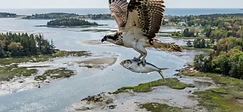
Osprey
Coastlines, lakes, and rivers worldwide; big stick nests on poles and channel markers.
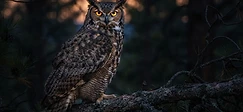
Owl
Forests, deserts, and suburbs across the Americas; roosts in dense trees by day.
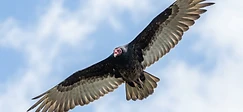
Vulture
Open country and roadsides across the Americas.
How the reports are classified
Every record on Wildlife Sentry is one of three types. Sightings, wildlife photography and peaceful observations belong here alongside incidents: the mix in the archive reflects what people choose to report, not how often each type happens.
Sighting
An animal was seen and watched. No contact, and no defensive response from the animal.
Interaction
Animal and person affected each other: a close approach, a charge or bluff, or contact with gear or a vehicle.
Attack (incident)
Physical contact that caused injury or damage. Severity is recorded only for this type.
Records are reviewed before they appear. Browse every approved report.
Historical birds encounter reports
Approved records of past events, newest first. These are archived observations, not live alerts, and they do not mean an animal is nearby today. Check Alerts & Closures for current conditions. A report whose map pin is still under review shows its written location only.
| Measure | Figure |
|---|---|
| Approved records in this categoryevery approved report of this category, not only the page shown | 7 |
| Pages in this archive12 records per page, newest first | 1 |
| Sightingsanimals seen, no contact | 0 |
| Interactionscontact or close approach | 0 |
| Attacksinjury or damage reported | 7 |
| Reports with a withheld map pinwritten location kept, coordinates off every public map | 0 |

Bird of Prey (Australian magpie)
#WS-00014BirdsBird of Prey (Australian magpie)
#WS-00009BirdsBird of Prey (Australian magpie)
#WS-00016BirdsBird of Prey (Australian magpie)
#WS-00010BirdsOwl
#WS-00004BirdsEagle
#WS-00007BirdsBird of Prey (Southern cassowary)
#WS-00011BirdsObserving birds responsibly
Watch nests from a distance and do not linger. Disturbance can pull adults off eggs or young at the worst moment.
Use optics instead of approaching a perched bird, and never use recordings or food to pull a raptor closer.
Keep drones and dogs away from nesting areas, and follow seasonal closures on cliffs and shorelines.
Where to look for birds reports
State pages collect approved reports recorded in that state.
Keep exploring
- Every approved encounter report — the full archive, 24 per page.
- Animal guide — all species profiles.
- Explore by location — map and state pages.
- Wildlife safety tips — guidance by activity and animal.
- Wildlife insights — patterns in the community archive.
Explore the other wildlife categories
Six more categories, each with its own profiles, reports and guidance.