
Wildlife category · Reptiles
Reptiles: Snakes, Alligators and Crocodiles
Reptiles reward attention to detail. A snake in dappled shade or an alligator at the waterline is easy to miss, and an injury begins when someone reaches for the animal instead of stepping back.
Reptiles covers crocodiles, alligators, the snake group (rattlesnakes, cottonmouths, copperheads, pythons and other snakes), and animals members record as other or unknown. Reports come from trails, yards, boat ramps, golf courses and waterways, and describe undisturbed animals as well as bites.
Reptiles warm themselves in the open and retreat when they overheat, so weather and time of day shape when they are seen. The profiles describe identification, habitat and habits; the safety page covers keeping out of striking range.
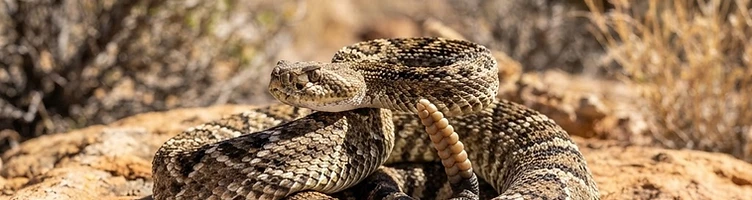
Reptiles species profiles
All animal profilesIdentification, habitat, behavior and safety notes for the reptiles animals in the guide.
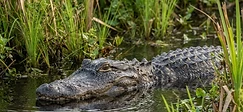
Alligator
Freshwater
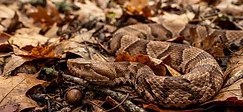
Copperhead
Forests and rocky hillsides of the eastern US
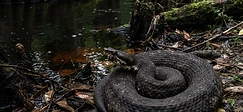
Cottonmouth
Swamps, slow streams, and lake edges across the Southeast
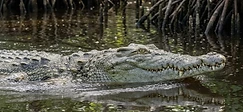
Crocodile
Brackish and salt coastal waters of South Florida, the Caribbean, Mexico, and Central America.
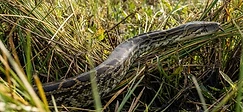
Python
Native to Southeast Asia; established in South Florida marshes and wetlands.
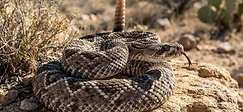
Rattlesnake
Deserts, grasslands, and rocky hillsides across the Americas
How the reports are classified
Every record on Wildlife Sentry is one of three types. Sightings, wildlife photography and peaceful observations belong here alongside incidents: the mix in the archive reflects what people choose to report, not how often each type happens.
Sighting
An animal was seen and watched. No contact, and no defensive response from the animal.
Interaction
Animal and person affected each other: a close approach, a charge or bluff, or contact with gear or a vehicle.
Attack (incident)
Physical contact that caused injury or damage. Severity is recorded only for this type.
Records are reviewed before they appear. Browse every approved report.
Historical reptiles encounter reports
Approved records of past events, newest first. These are archived observations, not live alerts, and they do not mean an animal is nearby today. Check Alerts & Closures for current conditions. A report whose map pin is still under review shows its written location only.
| Measure | Figure |
|---|---|
| Approved records in this categoryevery approved report of this category, not only the page shown | 32 |
| Pages in this archive12 records per page, newest first | 3 |
| Sightingsanimals seen, no contact | 0 |
| Interactionscontact or close approach | 0 |
| Attacksinjury or damage reported | 32 |
| Reports with a withheld map pinwritten location kept, coordinates off every public map | 1 |

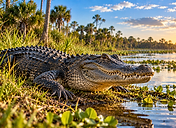
Alligator
#WS-00399ReptilesCrocodile (Saltwater crocodile)
#WS-00029ReptilesCrocodile (Saltwater crocodile)
#WS-00052ReptilesAlligator (American alligator)
#WS-00006ReptilesCrocodile (Saltwater crocodile)
#WS-00044ReptilesCrocodile (Saltwater crocodile)
#WS-00082ReptilesCrocodile (Saltwater crocodile)
#WS-00071ReptilesCrocodile (Saltwater crocodile)
#WS-00078ReptilesCrocodile (Saltwater crocodile)
#WS-00040ReptilesCrocodile (Saltwater crocodile)
#WS-00070ReptilesCrocodile (Saltwater crocodile)
#WS-00088ReptilesOther Reptile (Komodo dragon)
#WS-00005ReptilesObserving reptiles responsibly
Leave a snake alone and give it an escape route. Keep hands and feet out of cover you cannot see into.
Where alligators and crocodiles live, stay back from the waterline, keep pets and children away from the edge, and never feed them.
If an animal in a yard worries you, call your state wildlife agency instead of trying to move it yourself.
Where to look for reptiles reports
State pages collect approved reports recorded in that state.
Keep exploring
- Every approved encounter report — the full archive, 24 per page.
- Animal guide — all species profiles.
- Explore by location — map and state pages.
- Wildlife safety tips — guidance by activity and animal.
- Wildlife insights — patterns in the community archive.
Explore the other wildlife categories
Six more categories, each with its own profiles, reports and guidance.